
Lord of the Flies by William Golding follows a group of boys stranded on a deserted island as their attempt at self-governance unravels into chaos. This literature guide includes chapter summaries, character analysis, theme exploration, comprehension questions, vocabulary tasks, and creative activities to deepen understanding and support close reading. It also provides discussion prompts and assessment-ready worksheets aligned with curriculum standards. Suitable for Grades 7–10, this guide helps students engage critically with the novel’s ideas about leadership, civilisation, and human nature.

| Title: | Lord of the Flies |
| Author: | William Golding |
| Year Published: | 1954 |
| Suitable Grade Level: | Grades 7–10 |
| Key Themes: | – Civilisation vs. Savagery: The breakdown of order and rise of primal instincts. – Loss of Innocence: The boys’ descent into brutality. – Power and Leadership: Competing approaches to authority (Ralph vs. Jack). – Fear and the Unknown: How fear shapes behavior and belief. |
| Literary Elements: | – Characterization: Gradual transformation of Ralph, Jack, and Piggy to reveal moral conflict. – Setting: The isolated island as a symbolic microcosm of society. – Symbolism: The conch (order), Piggy’s glasses (reason), the “beast” (inner darkness). – Conflict: External conflict between groups; internal conflict within individuals. – Plot Structure: Rising tension leading to societal collapse and tragic consequences. |
| Rhetorical Devices: | – Allegory: The island society reflects real-world political and moral struggles. – Imagery: Vivid natural descriptions heighten mood and tension. – Foreshadowing: Early hints of chaos and violence. – Irony: The rescue arrives only after total disorder. – Motif: Recurrent ideas of fire, fear, and masks to reinforce themes. |
| Curriculum Connections: | – English Language Arts: Close reading, theme analysis, symbolism, character studies. – Social Studies: Government systems, group dynamics, human behaviour under stress. – Ethics/Philosophy: Morality, societal rules, and human nature. – Writing Skills: Analytical essays, persuasive writing, comparative thematic responses. – Speaking & Listening: Structured debates on leadership, morality, and conflict. |
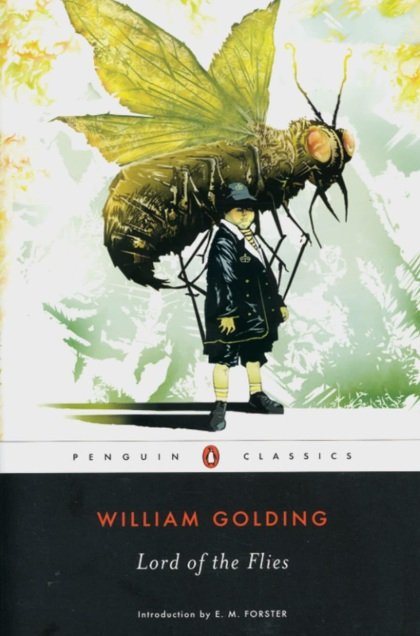
Lord of the Flies
Lord of the Flies follows stranded boys descending into chaos. This gripping classic, ideal for classroom study, can be conveniently purchased on Amazon.
This is an affiliate link; we may earn a small commission at no additional cost to you.