
Judy Moody Saves the World! is a lively and inspiring chapter book that follows third-grader Judy Moody as she discovers the power of environmental action. After learning about pollution and endangered species, Judy becomes determined to make a difference, by organizing recycling, inspiring her classmates, and taking on waste at home. Filled with humor, and relatable school moments, the story encourages young readers to think about their own impact on the planet. This guide helps students explore key themes, build reading comprehension skills, and engage meaningfully with Judy’s mission to help save the world.

| Title | Judy Moody Saves the World! |
| Author | Megan McDonald |
| Illustrator | Peter H. Reynolds |
| Year Published | 2007 |
| Suitable Grade Level (U.S.) | Grades 2–4 (Ages 7–10) |
| Key Themes | – Environmental awareness – Activism – Responsibility – Creativity – Empathy – Problem-solving – Personal growth |
| Literary Elements | – Characterization – Judy Moody’s personality traits, motivations, and growth are clearly depicted – Plot Structure – Problem–solution format with clear rising action, climax, and resolution – Setting – Varied environments, including home, school, and local community, reflecting real-life contexts – Dialogue – Realistic and age-appropriate conversations that reveal character traits and advance the plot – Humor – Light, situational humor engages young readers and supports themes – Conflict – Internal (Judy’s self-doubt, environmental worries) and external (community challenges) – Descriptive Language – Vivid descriptions to engage senses and imagination – Point of View – First-person narration allows insight into Judy’s thoughts and feelings |
| Rhetorical Devices | – Hyperbole – Exaggerated reactions to convey humor and urgency – Imagery – Visual, auditory, and tactile descriptions enhance reader engagement – Repetition – Reinforces key ideas, like environmental action steps – Emotional Appeal (Pathos) – Encourages empathy for environmental issues and community involvement – Wordplay & Idioms – Makes text engaging and relatable for young readers – Persuasive Language – Used by Judy and characters to convince others to take action |
| Curriculum Connections | – English Language Arts – Character analysis, plot sequencing, theme identification, summarizing, journal writing – Social Studies – Civic responsibility, community engagement, environmental activism, understanding societal issues – Science – Concepts of recycling, conservation, sustainability, human impact on the environment – Writing Skills – Opinion and persuasive writing, reflective journaling, narrative storytelling, creative projects – Cross-curricular Projects – Environmental campaigns, class debates, and research projects tied to the story |
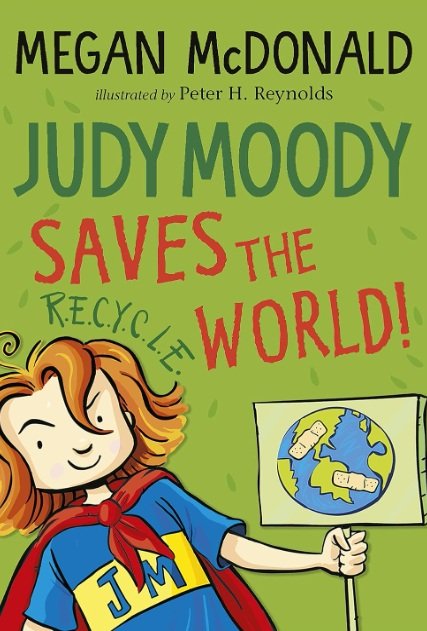
Judy Moody Saves the World
Dive into Judy Moody Saves the World!, a fun adventure where Judy tackles eco-challenges with flair. You can purchase this engaging children’s book on Amazon.
This is an affiliate link; we may earn a small commission at no additional cost to you.